
Key Takeaways
- Credit card travel rewards can provide 50,000+ points worth $500-1,500 in free flights and hotels within 3 months
- House sitting through TrustedHousesitters saves $100-300 per night on accommodation in 130+ countries
- Volunteering with Worldpackers or WWOOF provides free housing and meals in exchange for 20-25 hours of work weekly
- Southwest Airlines offers flights starting at 3,600 points, while Hyatt hotels start at 5,000 points per night
- Combining 3-4 methods can cover 80-90% of total trip costs including flights, accommodation, and meals
Most people assume international travel requires thousands of dollars, but savvy travelers know the secret to exploring the world for free. While there’s no such thing as completely cost-free travel, smart strategies can slash your expenses by 80-90%, transforming that dream trip from financially impossible to surprisingly affordable.
The average American spends $3,000-5,000 on a week-long international vacation. Using the methods outlined below, you can reduce that to just $500-1,000 while actually enjoying better experiences than most people who pay full price. These aren’t theoretical concepts—they’re proven strategies used by thousands of fellow travelers to see the world without breaking the bank.
Travel Credit Cards: Your Fastest Path to Free Flights
Travel credit cards represent the most accessible easy way to get free travel for anyone with good credit. The math is compelling: while most people pay $800-1,500 for international flights, you can earn enough points for free flights within just three months of responsible spending.
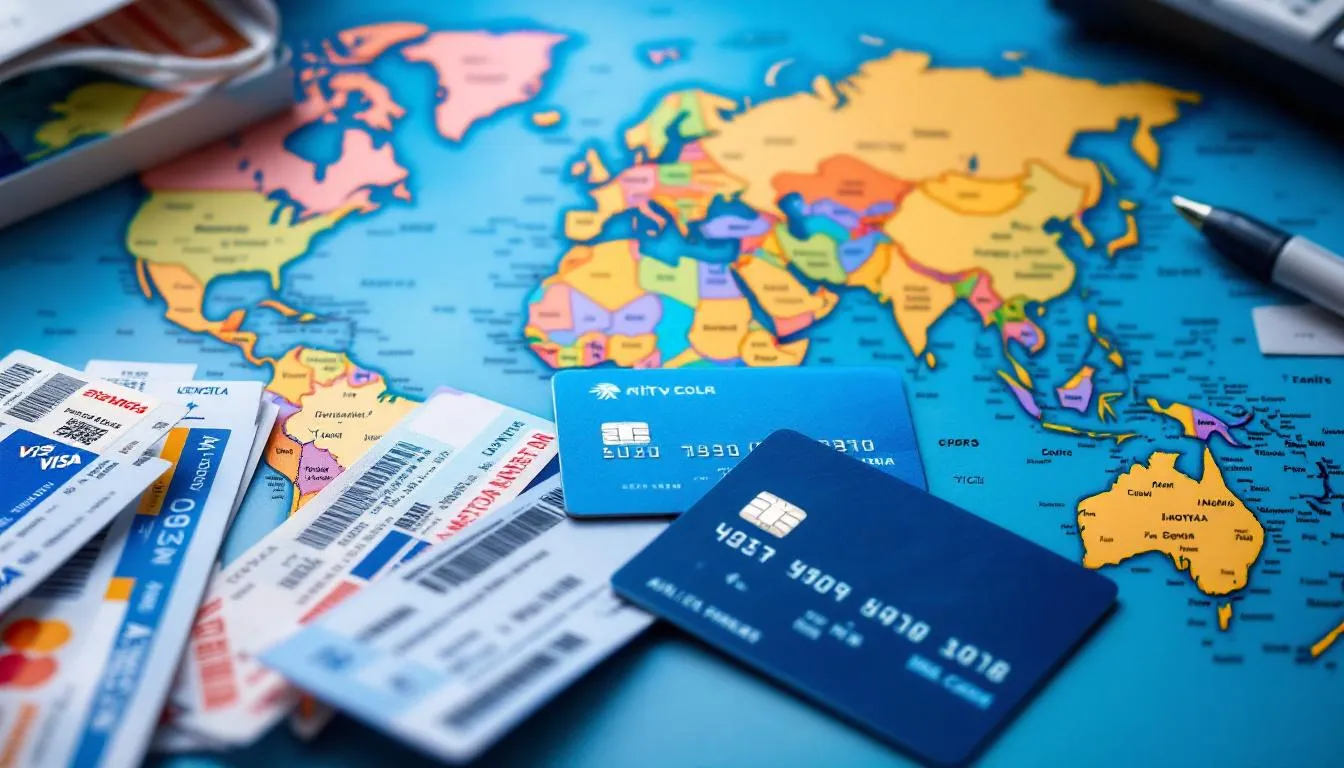
The Chase Sapphire Preferred offers 60,000 bonus points after spending $4,000 in first 3 months—easily achievable through regular expenses like groceries and bills. These points transfer to Southwest Airlines at a 1:1 ratio, covering 10-15 domestic flights or one round-trip international flight.
Southwest Rapid Rewards Plus provides 50,000 points bonus that translates to approximately $750-900 in travel value. Since Southwest flights start at just 3,600 points one-way, this single signup bonus covers multiple trips across the United States.
The American Express Gold Card gives 60,000 points worth up to $1,200 when transferred strategically to airline partners like Delta or hotel chains like Marriott. Capital One Venture X offers an impressive 75,000 miles bonus plus a $300 annual travel credit, effectively paying you to hold the card in the first year.
Critical warning: Credit card companies profit from cardholders who carry balances. Pay your balance in full monthly to avoid 24.99% APR that negates all benefits. If you can’t pay off purchases immediately, avoid travel hacking entirely.
Maximizing Your Points Strategy
The real money lies in smart redemption strategies. Transfer points to airline partners like Southwest (achieving 1.4-1.8 cents per point) rather than booking through credit card portals (typically 1.25 cents). Chase Ultimate Rewards points reach their highest value when transferred to Hyatt hotels, delivering up to 2.2 cents per point for luxury properties.
Book flights 2-3 months in advance for optimal award availability. Last-minute bookings often require double the points or offer no availability. Combining points from multiple cards amplifies your power—120,000 points from two cards covers round-trip international business class worth $3,000-5,000 in cash.
Consider this real example: A traveler earned 180,000 points across three cards in six months, spending only on regular expenses. These points covered flights to Japan ($1,400 value), a week at Tokyo hotels ($1,200 value), and domestic flights for the entire year ($800 value)—a total of $3,400 in free travel.
Free Accommodation Through House Sitting
House sitting eliminates accommodation costs while providing authentic local experiences unavailable in hotels. TrustedHousesitters connects travelers with homeowners in 130+ countries who need responsible pet care during absences.
The annual membership costs $129 but saves $150+ per night compared to hotels in major cities. In London, where hotel rates average $200+ nightly, house sitting can save $1,400 on a week-long stay. Sydney properties save approximately $180+ per night, while Paris house sits eliminate $250+ in daily accommodation costs.
Typical sits range 1-4 weeks, perfect for slow travel that allows deep exploration of neighborhoods rather than rushed tourist activities. Many sits include additional perks like bicycles, local recommendations from owners, and the companionship of friendly pets.

Application success depends on creating a complete profile with multiple references and responding quickly to new listings. Popular destinations receive dozens of applications within hours, so setting up alerts and responding immediately increases your chances significantly.
House sitting works particularly well for couples or solo travelers seeking a more authentic travel experience. Families with young children may find fewer suitable options, though child-friendly sits exist with advance planning.
Volunteer Your Way Around the World
Volunteering programs offer the most immersive way to travel for free while making meaningful contributions to local communities. These programs typically cover accommodation and meals in exchange for 4-6 hours of daily work, leaving plenty of time for exploration.
Worldpackers offers over 15,000 volunteer opportunities across 140+ countries, from teaching English in Thailand to helping with organic farms in New Zealand. Most positions require 25 hours of work weekly in exchange for free accommodation and often meals, creating substantial savings while providing valuable cultural experiences.
WWOOF (World Wide Opportunities on Organic Farms) costs just $40 for annual membership but provides access to farm stays in 60+ countries. Volunteers typically work 4-6 hours daily on projects like harvesting, animal care, or sustainable farming practices. The program emphasizes cultural exchange and learning sustainable living practices.
The Peace Corps provides the most comprehensive volunteer experience with 27-month placements including full travel coverage, housing allowance, healthcare, and a readjustment allowance upon completion. While requiring a significant time commitment, volunteers receive extensive training and support while making lasting impacts in their host communities.
Workaway connects travelers with hosts across 170+ countries needing assistance with various projects. Unlike farm-focused WWOOF, Workaway includes hostels, yoga retreats, construction projects, and digital marketing tasks. Most positions require 25 hours weekly with weekends free for personal travel.
These volunteer options work best for travelers seeking meaningful experiences over luxury accommodations. The housing ranges from shared dormitories to private rooms, depending on the specific program and location.
Strategic Travel Planning for Maximum Savings
Smart timing and destination selection can cut travel costs by 50-70% without sacrificing experience quality. Shoulder seasons (April-May and September-October) offer the sweet spot of good weather and reduced prices across most destinations.
Use Google Flights’ flexible date feature showing price differences across entire months. A $800 flight in June might cost just $400 in May or September. Tuesday departures and Saturday returns typically offer the cheapest domestic flights, while Wednesday and Thursday international departures provide the best value.
Secondary airports often provide significant savings with minimal inconvenience. Oakland versus San Francisco saves $200+ on many routes, while Chicago Midway beats O’Hare by $150+ on Southwest flights. Factor transportation costs between airports and your destination when calculating true savings.
Choose destinations with favorable exchange rates to stretch your money further. Countries like Thailand ($30 daily budget), Vietnam ($25), and Poland ($40) offer excellent value, while expensive destinations like Switzerland or Norway can cost $100+ daily even with budget accommodations.
Research visa requirements and costs early in planning. Some countries offer free tourist visas, while others charge $50-200. Factor these costs into destination selection, especially for short trips where visa fees represent a larger percentage of total costs.
Consider overland travel for multi-country trips. A Eurail pass costs less than individual flights between European cities while providing scenic routes and city-center arrivals. Similarly, buses in South America cost 70-80% less than flights while offering cultural experiences.
Free Transportation and Local Travel
Creative transportation strategies eliminate costs while often providing more interesting experiences than traditional methods. BlaBlaCar ridesharing operates across 22 European countries at 30-50% of train costs, connecting travelers with locals driving the same routes.
Overnight buses and trains serve double duty by eliminating one night’s accommodation costs. A $50-150 savings on hotels, plus transportation, makes sleeper options economical despite longer travel times. Research comfort levels beforehand—some overnight buses provide beds while others offer only reclining seats.

Many airports offer volunteer programs providing free city tours during long layovers. Bangkok’s program gives volunteers free uniforms, meals, and guided tours of temples and markets. Similar programs exist in Seoul, Singapore, and Istanbul, transforming inconvenient layovers into bonus destinations.
Free walking tours operate in over 100 cities worldwide on a tip-based model. These tours typically cost $10-20 in tips but provide expert local knowledge worth much more. Many guides are university students or local historians offering perspectives unavailable through paid tour companies.
City tourism boards frequently offer free museum days and cultural events. Paris museums open free on the first Sunday of each month, while London museums offer free Thursday evening hours. Research these opportunities when planning your itinerary to access attractions normally costing $20-50 per entry.
Working While Traveling
Working while traveling transforms expenses into income streams, enabling indefinite travel for those willing to work on the road. Cruise ship jobs provide free room, board, and travel to 50+ ports with monthly salaries ranging from $800-3,000 depending on position and experience.
Teaching English abroad offers the most accessible international work opportunity. China provides $1,000-2,500 monthly salaries plus free accommodation, while South Korea offers $1,800-2,700 with housing allowances. Japan typically pays $2,000-3,500 monthly with more competitive requirements but higher living standards.
Remote work visas have exploded in popularity, with 50+ countries now offering digital nomad programs. Estonia’s Digital Nomad Visa allows one-year stays throughout the EU for qualifying remote workers. Portugal’s D7 visa provides a path to residency, while Barbados’ Welcome Stamp offers one-year stays in the Caribbean.
Seasonal resort jobs in ski destinations during winter and beach locations during summer typically include housing and meals along with salaries. These positions range from ski instructors and lifeguards to hotel staff and activity coordinators, often in stunning locations worldwide.

Specific job boards streamline finding these opportunities. CoolWorks.com specializes in seasonal resort positions across the United States. Dave’s ESL Cafe remains the premier resource for teaching positions worldwide. Remote Year and similar companies organize group travel for digital nomads, providing community and logistical support.
The key to working while traveling lies in matching your skills with destination opportunities. Language teachers thrive in non-English speaking countries, while technical workers can command premium salaries in developing nations building digital infrastructure.
Contest Wins and Travel Giveaways
Travel contests and giveaways offer surprising opportunities for free trips, with better odds than many people realize. Destination marketing boards like VisitFinland, Tourism Australia, and Iceland Travel regularly host contests offering complete trip packages worth $3,000-10,000.
Travel blogger giveaways typically attract 5,000-50,000 entries versus millions for major sweepstakes, dramatically improving your odds. Many bloggers partner with tourism boards or hotels for authentic prizes including flights, accommodation, and activities.
Hotel chains run quarterly promotions offering free nights and complete trips. Marriott’s “Travel Brilliantly” campaigns have awarded vacations to Tokyo, London, and New York. Hilton’s loyalty program regularly features trip giveaways tied to social media engagement.
Follow specialized accounts like @Sweepstakes_US on Twitter for daily contest listings. Many legitimate contests offer prizes worth $500+ in travel value with relatively low entry numbers. Set aside 15 minutes weekly for contest entries to maintain regular participation.
Creative contests requiring photos, videos, or essays often have better odds than simple entry forms. Tourism boards value authentic content showcasing their destinations, making quality submissions more likely to win than random drawings.
The strategy involves consistent, targeted entries rather than entering everything randomly. Focus on destinations you actually want to visit and contests from reputable organizations. Avoid contests requiring personal information beyond name and email, as legitimate sponsors don’t need excessive data.
FAQ
How much can I realistically save using these free travel methods?
Combining credit card points and house sitting can cover 70-90% of total trip costs for most travelers. A realistic example: a week in Paris normally costing $2,500 (flights $800, accommodation $1,200, food $300, activities $200) reduces to approximately $400 using points for flights and house sitting. This represents $2,100 in savings, or 84% cost reduction.
Annual travel budgets of $8,000-12,000 typically reduce to $2,000-3,000 using multiple strategies consistently. The key lies in combining methods rather than relying on a single approach. Most successful free travelers use 2-3 methods per trip for maximum savings.
What’s the minimum credit score needed for travel rewards credit cards?
Premium cards like Chase Sapphire Preferred require credit scores of 700+, while entry-level travel cards like Capital One VentureOne accept scores around 650+. If your credit score falls below these thresholds, focus on building credit for 6-12 months using secured cards before applying for travel rewards cards.
Use pre-qualification tools on card issuer websites to check approval odds without hard credit inquiries. Multiple hard inquiries within short periods can lower your credit score, making future applications more difficult. Space card applications 3-6 months apart for optimal approval chances.
Is house sitting safe for solo female travelers?
TrustedHousesitters and similar platforms provide verified profiles, comprehensive review systems, and secure messaging features that significantly enhance safety. Always video call with homeowners before confirming sits to assess comfort levels and verify property details match listings.
Start with house sits in familiar countries or cities where you speak the local language fluently. Join Facebook groups like “Female Digital Nomads” and “Women’s Travel Network” for house sitting recommendations and safety tips from experienced female travelers. Many women successfully house sit solo worldwide by following basic safety protocols.
How far in advance should I plan free travel?
Apply for travel credit cards 3-4 months before intended travel dates to earn signup bonuses and accumulate enough points for redemption. Award flight booking succeeds best 2-3 months in advance, especially for international travel and popular destinations during peak seasons.
House sitting applications require 1-3 months lead time for competitive destinations. Popular locations like London, Paris, and major U.S. cities receive numerous applications, making early submission crucial. Less competitive destinations may accept applications just weeks in advance.
Volunteer programs vary significantly in lead times. WWOOF placements often arrange within 2-4 weeks, while Peace Corps requires 6-18 months for placement processing and training.
Can families with children use these free travel methods?
Many house sits welcome families, though options are more limited than solo or couple arrangements. Filter searches specifically for “children welcome” on house sitting platforms and mention children’s ages in applications. Some homeowners specifically seek families to maintain household routines.
Family volunteer programs exist through organizations like Global Volunteers and Projects Abroad, offering structured programs designed for family participation. These programs typically cost more than solo volunteering but still provide significant savings over traditional family vacations.
Credit card family accounts allow pooling points from multiple authorized users, accelerating point accumulation for larger redemptions needed for family travel. Some methods like cruise ship work or extended volunteer positions aren’t practical for families with school-age children, requiring focus on shorter-term strategies.